A load that used to dry in one cycle now takes two. In Statesville homes that is the most common dryer complaint there is, and the usual cause is not the heating element everyone suspects. It is airflow. A dryer dries by moving hot air through tumbling clothes and out the vent, and anything that chokes that path, lint in the vent run being the classic, stretches dry times while the element works fine.
Waiting on it is where a minor annoyance becomes a real problem. A restricted dryer runs hotter, works twice as long per load, wears its belt, rollers, and motor at double rate, and builds lint deeper into places it should never reach. The cost of neglect here is measured in a strained machine and a genuine fire hazard, not just inconvenience.
Check airflow before heat, in that order
Start at the lint screen: clean it every load, and if fabric softener residue has filmed it over, wash it with soap and water and let it dry, since air must pass through it freely. Next, go outside while the dryer runs and find the vent outlet. You should feel a strong, warm flow of air. A weak trickle at the outlet with the dryer tumbling means the vent run is restricted, whatever the machine itself is doing.
The vent run itself is the usual suspect: a long run, a crushed flexible section behind the dryer where it got pushed back too far, a screen or flap at the outside hood stuck with lint, or, in some homes, a run that vents into an attic or crawlspace it never should have. Bird nests at unguarded outlets are a Piedmont regular. Inside the machine, lint also collects around the blower and in the cabinet over years, which is part of why an older dryer with a clear vent can still underperform.
When it actually is the heat
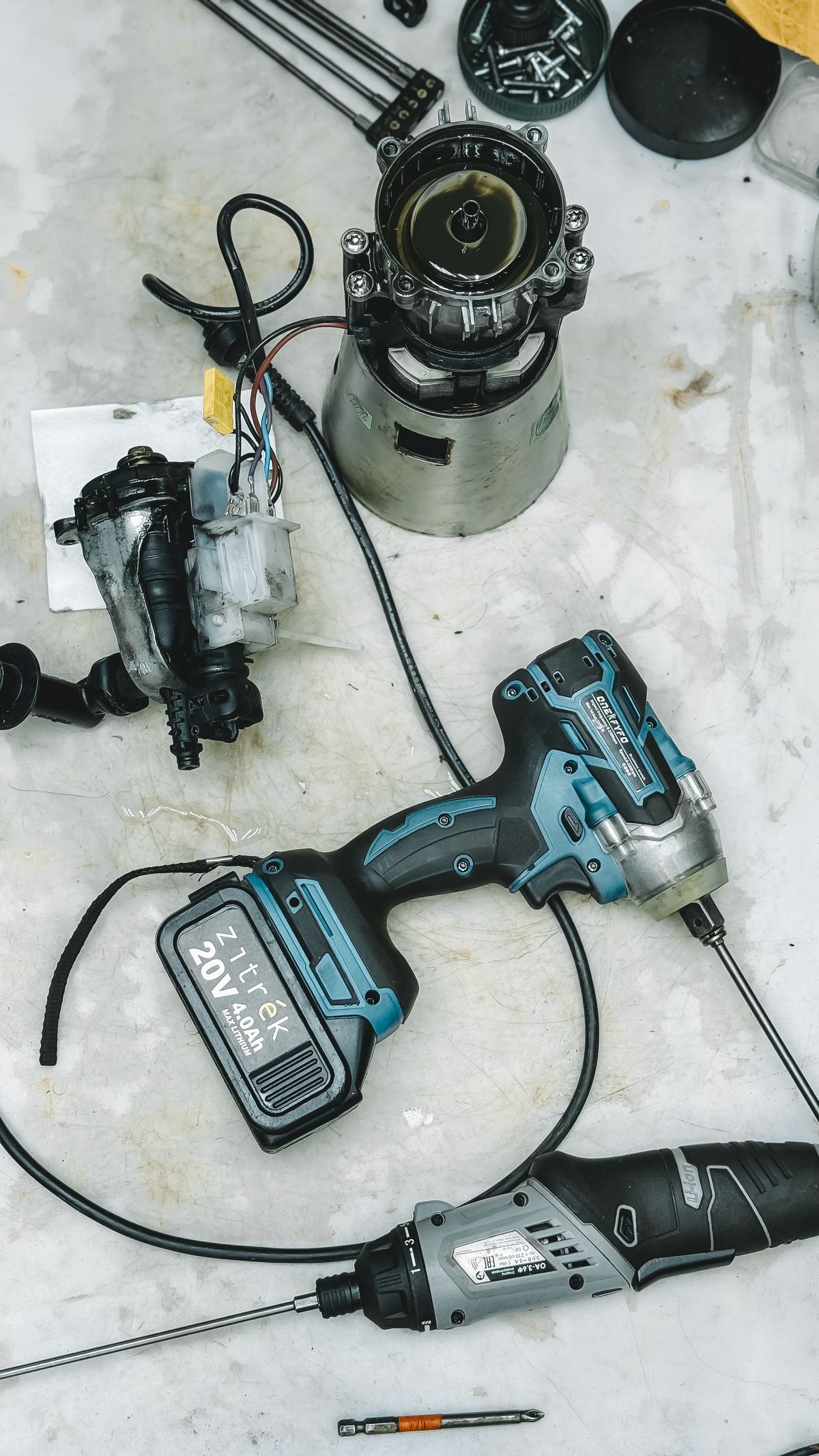
If airflow outside is strong and loads still take forever, or the drum tumbles with no heat at all, then the heating side earns its suspicion: a failed element on an electric dryer, an igniter or gas valve issue on a gas model, or a cycling thermostat or thermal fuse that has opened, sometimes because the same vent restriction overheated it. A thermal fuse that blows is often a symptom of the airflow problem, and replacing the fuse without clearing the vent usually buys one short reprieve.
Order matters for your wallet and your safety: vent first, then sensors and fuses, then the element. In Statesville, Fuzzy's Appliances can test that chain properly, and the first question on a two-cycle dryer should always be about the vent, not the element.
The vent run itself, inspected honestly
Building practice favors smooth metal duct for dryer venting, with the run kept as short and straight as the house allows. Flexible foil and plastic style venting traps lint in its ridges and is worth replacing when you find it, particularly the section crushed behind the machine. Every elbow in the run costs airflow roughly the way extra length does, so a vent that climbs, turns twice, and crosses the crawlspace is fighting the dryer from the day it was installed. If your dryer has always been slow since the house was new, the run itself, not age or lint, may be the whole story, and rerouting or shortening it is a legitimate repair. While you inspect, confirm the outside hood flap opens fully under airflow and closes when the dryer stops, and clear the screen some hoods carry, since a clogged hood screen alone can double a dry time.
Habits that keep it clear
Clean the lint screen before every load, without exception, and keep the area behind the dryer vacuumed when you pull it out for any reason. Note the date of each vent cleaning on a card taped inside a cabinet door, the way you would for a filter, because a year passes quietly and dry times creep rather than jump. The creep is the trap: two extra minutes a month feels like nothing until the load needs a second full cycle. Catching the trend at a few extra minutes, with a vent cleaning, is the whole point of paying attention early.
Common questions
How often should the dryer vent be cleaned?
At least once a year is the common guidance, and sooner if loads start taking longer, the laundry room gets humid during a cycle, or the outside vent flap barely moves.
The dryer is hot but clothes stay damp. What does that mean?
Heat without airflow leaves clothes steaming in place. That pattern points first at the vent run, the lint screen, or the blower, not at the heating element.
Is a slow dryer a fire risk?
A restricted vent raises operating temperatures and lets lint accumulate in the cabinet and run, which is a recognized fire hazard. Treat lengthening dry times as a prompt fix, not a quirk.
Photos in this guide are representative stock images.
← All guides from Fuzzy's Appliances← Back to Fuzzy's Appliances