Recipes fail in Statesville kitchens for a reason nobody suspects: the oven says 350 and delivers something else. Oven thermostats drift with age, sensors lose accuracy, and many ovens run hot on one side of the dial and cool on the other. Before blaming a recipe or your own timing, it is worth testing what your oven actually does, and the test needs nothing more exotic than an inexpensive hanging oven thermometer.
If you have never done this, here is the whole job in order, from the first preheat to deciding whether a calibration adjustment or a service call is the right ending.
- Hang the thermometer where the food goes. Place an oven thermometer on the center rack, in the middle, where most baking happens. Temperatures vary by rack and by corner, so test the spot you actually use.
- Preheat fully, then wait longer than feels necessary. The ready beep means the air first reached the set point, not that the oven has stabilized. Give it another 15 to 20 minutes so the walls and racks absorb heat, the way they will during real baking.
- Read through a full cycle. Ovens heat in swings around the set point, climbing above it and coasting below. Watch the thermometer across 10 minutes and note the middle of the swing, not a single snapshot.
- Compare at two settings. Test at 350, then at 425. An oven can be accurate at one and off at the other, and the pattern tells you whether it is a simple offset or a sensor misbehaving.
- Adjust if your model allows it. Many ovens have a calibration setting, often reached through the control panel or a knob adjustment described in the manual, that shifts the control by small increments. Change it once, by the measured offset, then retest.
- Retest after any change. Run the same center-rack test at 350 and confirm the middle of the swing now lands near the dial. One verification round is what separates calibration from guessing.
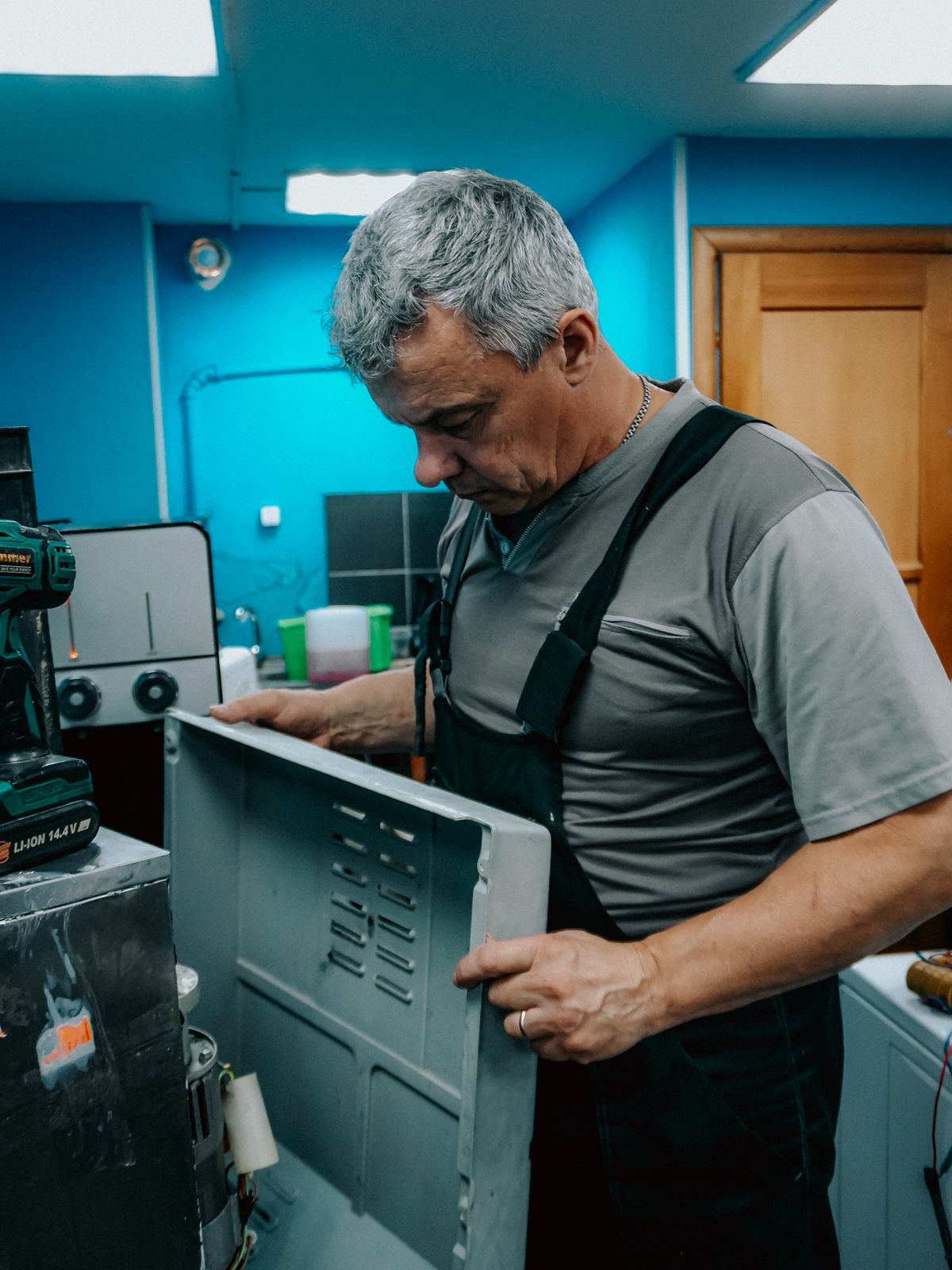
Patterns and what they point to
A steady offset, the oven running 25 degrees hot at every setting, is the friendly case: calibrate it or simply bake with the offset in mind. Swings that grow wider over an hour, or an oven that overshoots badly after the door has been opened, point more toward a weakening sensor or control. An oven that never reaches temperature at all, or preheats far slower than it used to, suggests a failing bake element, often visible as a section that no longer glows evenly on an electric model.
Gas ovens have their own version: an igniter that glows but opens the gas valve slowly will stretch preheat times and skew temperatures before it fails outright. Inconsistent results on one rack but not another, though, is usually just physics, since heat distribution is never perfectly even and rotating a pan halfway through baking remains sound advice in any oven that tests fine.
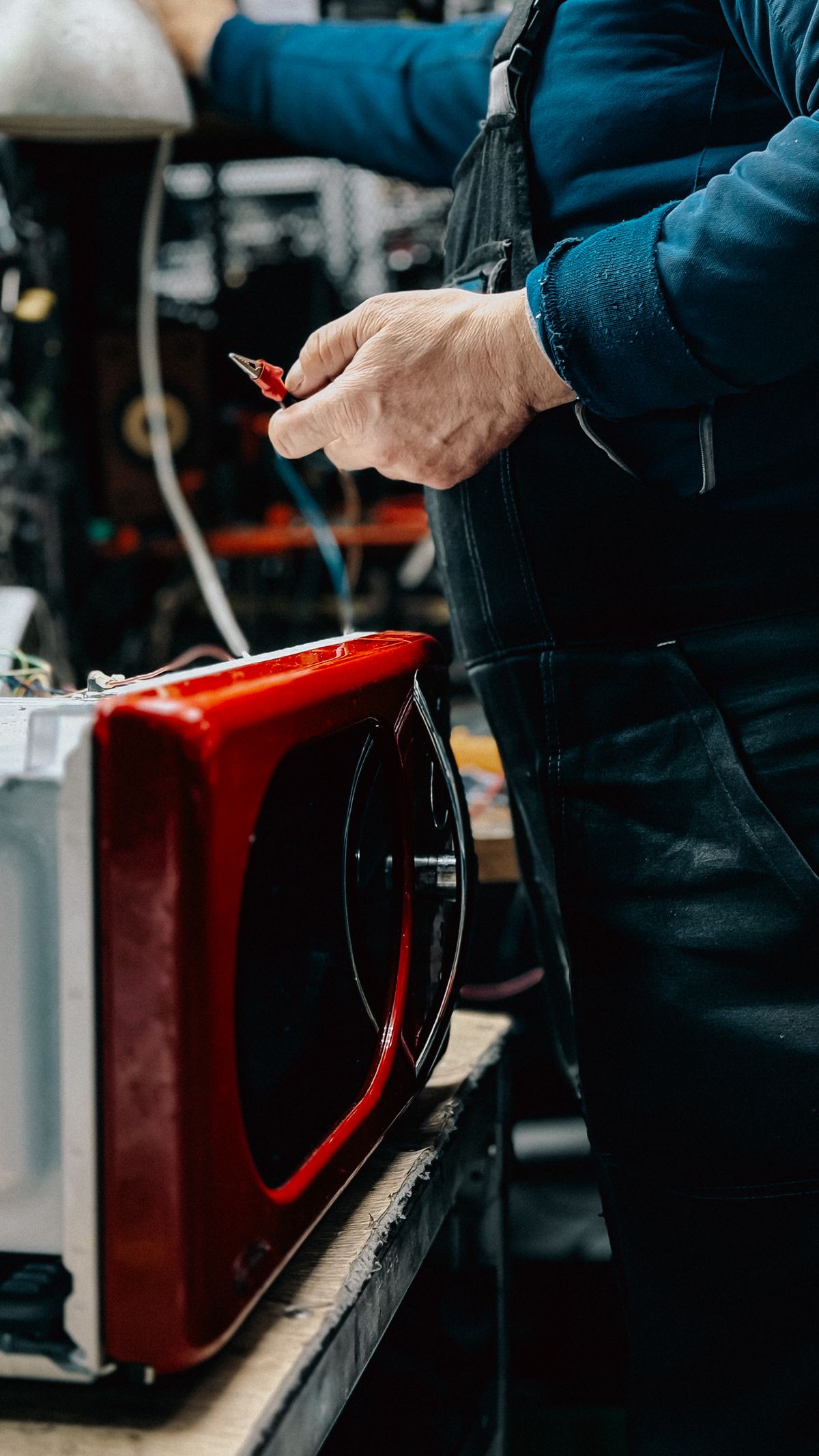
When the test says call someone
If calibration does not hold, the offset changes from week to week, preheat times keep stretching, or the oven shows error codes, the sensor or control needs professional testing with a meter rather than more thermometer rounds. Keep your test notes: settings used, swing range, and how long preheat took. Those three facts tell a technician most of the story before the oven is even opened.
In Statesville, Fuzzy's Appliances repairs ovens and ranges across brands, and a homeowner who arrives with measured numbers instead of a suspicion gets a faster, cheaper diagnosis, because the argument about whether the oven lies has already been settled.
Baking adjustments while you decide
While you are between testing and any repair, you can still bake successfully in a lying oven. Bake to the thermometer instead of the dial, setting the control by your measured offset so the actual temperature lands where the recipe wants it. Keep a small card inside a cabinet door with the offset at 350 and 425, since the two rarely match, and note which rack tested most evenly. Convection settings, if your oven has them, usually circulate air enough to smooth the hot and cool corners, though the standard guidance is to reduce the set temperature slightly when using convection for baking. None of this fixes a failing sensor, but it turns a frustrating oven back into a predictable tool while the decision gets made.
Common questions
How far off can a home oven be and still be normal?
Small offsets and a swing around the set point are normal, since ovens cycle on and off to hold temperature. A steady offset can usually be calibrated out using the adjustment in your manual.
Where should the thermometer hang?
On the center rack in the middle of the oven, where most food cooks. Testing the spot you actually use matters more than testing every corner.
My oven preheats much slower than it used to. Why?
A weakening bake element on an electric oven or a failing igniter on a gas model are the usual causes. Both are repairable, and both get worse rather than better.
Photos in this guide are representative stock images.
← All guides from Fuzzy's Appliances← Back to Fuzzy's Appliances